Visitor Guide
Taito Corporation is one of the foundational companies of arcade gaming — they created Space Invaders in 1978, a game that literally caused a yen coin shortage in Japan due to the volume of players it attracted. Their Taito Station arcade chain maintains that legacy, and the Akihabara location, spread across multiple floors of a building just off Chuo-dori, is among the most visited in the chain. Japanese arcade culture operates on different assumptions than most international visitors expect: the games are newer, the hardware is better, and the serious players are operating at levels that will require some recalibration of your self-image.
The arcade floor organization follows a familiar Japanese pattern: UFO catchers (crane machines) occupy a significant portion of the lower floors, with prizes that range from branded plushies to electronics that would be expensive to purchase retail. The skill involved in crane machines is real and learnable — Japanese players have developed documented techniques, and watching someone systematically clear a prize in three coins when you've spent twelve on the same object is both humbling and instructive. Upper floors typically hold rhythm game cabinets (Taiko no Tatsujin, Maimai, Chunithm, Sound Voltex), fighting games (the Street Fighter and Tekken installations tend to have serious regulars), and medal gaming sections. The rhythm game scene in Akihabara arcades is deeply competitive, and watching top-ranked players on Maimai or Chunithm is a spectator sport with genuine stakes.
For visitors approaching the arcade as an experience rather than a competitive environment, the crane machines offer the most accessible entertainment — they accept yen coins or rechargeable IC cards, and the prize inventory rotates regularly to feature current anime merchandise. Budget ¥1,000-2,000 for casual crane machine play, accept that you may win less than you expect, and treat any prize as a bonus rather than a certainty. The rhythm games typically have a tutorial mode and a beginner-friendly difficulty tier that's worth attempting even if you've never played the format before. Photography of other players should be avoided out of courtesy — it's generally acceptable to photograph your own screen or the machines themselves.
Taito Station is open until late evening, making it a natural destination after the surrounding shops have closed. The Akihabara location stays busy until around 11 PM on weekends, with the rhythm game floors particularly active after dinner. Bring a coin bag or prepare to visit the change machine regularly — some machines still prefer coins over IC cards. The adjacent konbini (convenience stores) have ATMs that dispense yen if your funds run low. Taito Stations are not unique to Akihabara — you'll find them across Japan — but the Akihabara concentration of serious players makes this particular branch a more interesting observation environment.
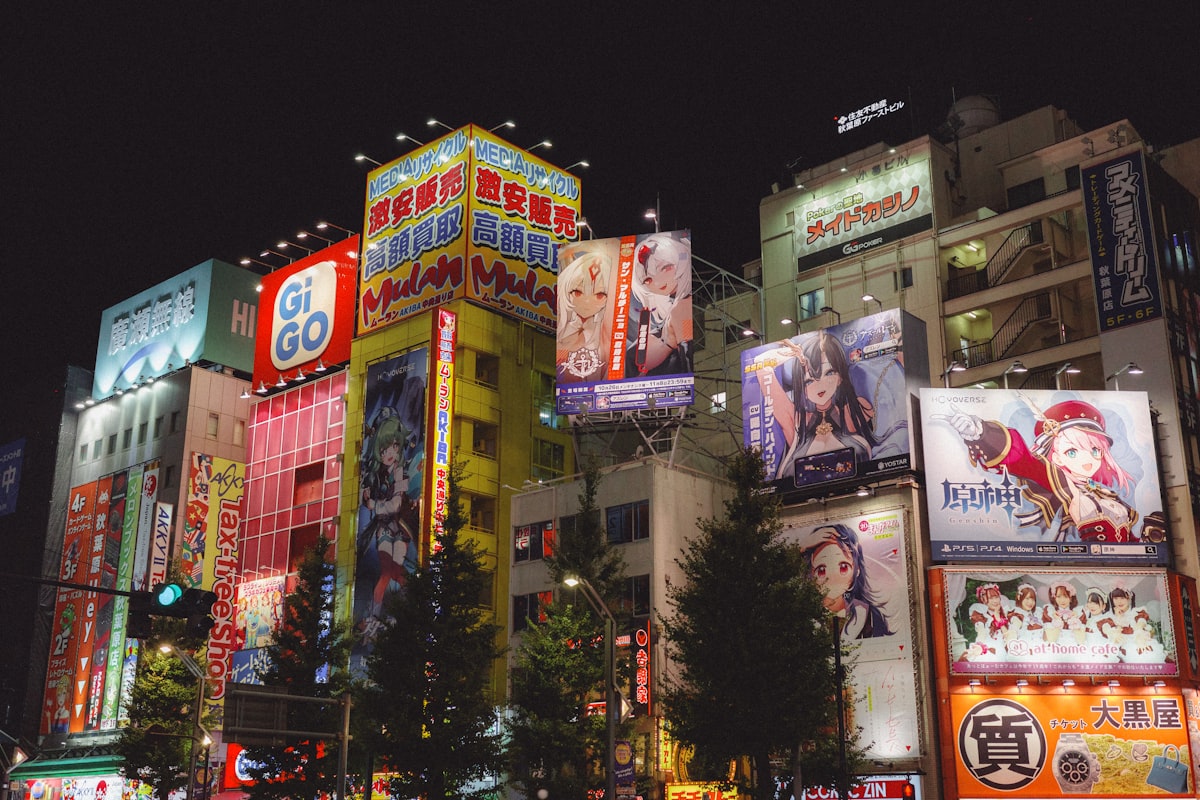
The surrounding Akihabara district provides natural context: Taito Station sits within walking distance of Super Potato (retro gaming), Mandarake (vintage anime goods), and the main Yodobashi Camera store. After hours in the arcade, the ramen shops along the station's outer streets — particularly around the Electric Town exit — are reliably good and open late. For visitors who want to experience Japanese arcade culture at its most concentrated, the Akihabara Taito Station is a landmark destination that no amount of home console gaming adequately prepares you for.
Plan Your Quest
Ready to experience the magic of this destination? Visit the official website or book your entry tickets directly through our partner booking link.
Visit Official Website / Book TicketsAttraction Info
Location
Akihabara, Tokyo
Destination
Tokyo
Category
Arcade
Planning Note
Attractions in this category are highly popular among travelers. We strongly advise checking booking constraints and slot availability in advance to ensure smooth entry.