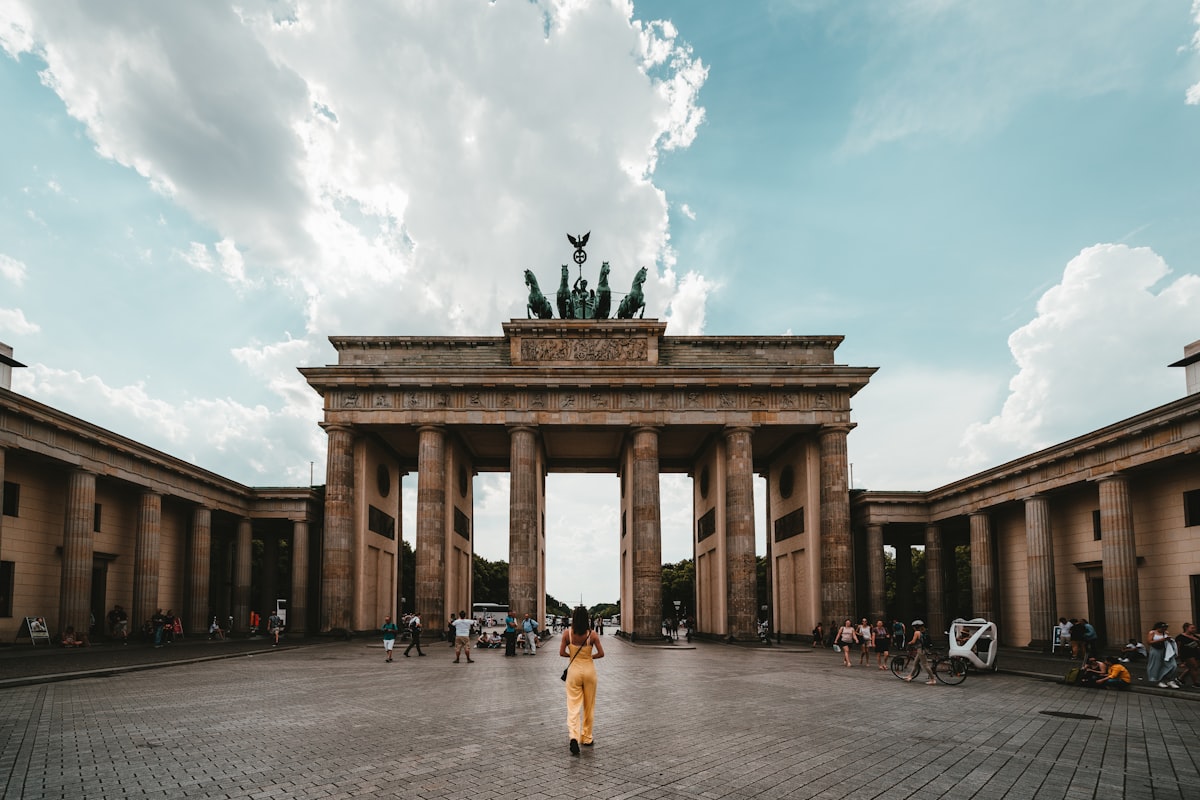
Berlin, Germany
Where Cold War history meets cutting-edge tech and underground gaming culture thrives in abandoned buildings
Timezone
CET (UTC+1)
Language
German/English
Currency
EUR (€)
Best Time
Spring/Fall
Berlin is where history and counterculture collide. This sprawling city of 3.7 million people has reinvented itself multiple times—from Prussian capital to Nazi stronghold to divided Cold War symbol to reunified tech hub. The result is a city that feels simultaneously ancient and cutting-edge, where you can visit remnants of the Berlin Wall in the morning and attend a hackathon in a converted factory in the evening.
The gaming and tech culture here is different from other European cities. Berlin has an underground, DIY ethos that attracts creative types and misfits. Gaming cafes exist, but the real scene happens in maker spaces, hackerspaces, and alternative venues. c-base, a hacker space designed to look like a crashed spaceship, hosts tech meetups and workshops. Chaos Computer Club, Europe's largest hacker association, is based here. And scattered throughout the city are indie game studios, esports teams, and tech startups operating out of repurposed industrial buildings.
Berlin is also surprisingly affordable compared to other Western European capitals. Rent is cheaper, food is cheaper, and beer is cheaper. The city has a thriving nightlife scene that operates on a different schedule—clubs open at midnight and close at noon the next day. This nocturnal culture extends to gaming—LAN parties, esports tournaments, and gaming events often run through the night. The city never really sleeps, it just shifts between day people and night people.
Berlin is gritty, chaotic, and unapologetically weird. The public transport is extensive but delays are common. The weather is gray and rainy for much of the year. And the city's history is heavy—you can't escape reminders of World War II and the Cold War. But this is also a city where creativity thrives, where alternative culture is mainstream, and where your inner nerd can find a community of like-minded weirdos. Berlin doesn't try to be pretty or polished. It just is what it is, and that's refreshing.
Why Visit Berlin
Gamescom (Cologne)
Europe's largest gaming convention, held in Cologne (4 hours from Berlin) every August. 400,000+ attendees, game demos, esports tournaments, and industry panels. Tickets sell out fast. Worth the trip if you're in Germany during this period.
c-base Hacker Space
A hacker space designed to look like a crashed spaceship. Hosts tech meetups, workshops, and events. The interior is cyberpunk aesthetic made real. Open to visitors during events. This is Berlin's tech culture in physical form.
Computerspielemuseum
Computer games museum with vintage consoles, arcade cabinets, and interactive exhibits. The Pong wall and PainStation are highlights. Admission is cheap. Perfect for gaming history nerds. The museum celebrates gaming culture without pretension.
Tech and Startup Scene
Berlin is Germany's startup capital. Factory Berlin, Betahaus, and other coworking spaces host events and meetups. The tech community is international and welcoming. Lower costs than London or Paris attract talent from across Europe.
Alternative Gaming Venues
Meltdown Berlin for esports viewing. Spielwiese for board games. LAN parties in repurposed industrial spaces. The gaming scene is less polished than other cities but more authentic. DIY culture is strong.
Museums and History
Museum Island has world-class museums. DDR Museum covers East German history. Topography of Terror documents Nazi crimes. The city's history is heavy but important. Many museums have free admission days.
Maker Spaces and Creative Hubs
xHain, Motionlab, and other maker spaces offer workshops, tools, and community. 3D printing, electronics, woodworking, and more. Open to visitors and members. This is where Berlin's creative culture happens.
Best Time to Visit
Spring (March-May)
Mild temperatures (10-18°C) and blooming trees. May Day (May 1) brings protests and parties. Good weather for walking and outdoor activities. Prices are moderate. A good time to visit.
Summer (June-August)
Warm temperatures (20-28°C) and long days. Outdoor festivals and events. Gamescom in Cologne happens in August. Peak tourist season with higher prices. Book hotels early.
Fall (September-November)
Comfortable temperatures (12-18°C) and fall colors. November 9 marks the fall of the Berlin Wall. Good time for museum hopping. Prices drop after summer. A balanced time to visit.
Winter (December-February)
Cold (0-5°C) and gray. Christmas markets are charming. Chaos Communication Congress (CCC) happens in December. Cheapest time for flights and hotels. Perfect for indoor activities and tech events.
Getting Around
Berlin's public transport (BVG) includes U-Bahn (subway), S-Bahn (commuter rail), trams, and buses. Buy a day ticket or weekly pass. Validate your ticket before boarding. Google Maps works for navigation. The system is extensive but delays are common.
Cycling is popular. Rent a bike from Nextbike or other services. Bike lanes exist but aren't as extensive as Amsterdam. Watch out for trams and cars. Bike theft is common—use good locks.
Walking is pleasant in central areas. The city is spread out, so you'll need transport for longer distances. Wear comfortable shoes. The city is flat and walkable.
Avoid driving. Parking is difficult and public transport is better. Taxis and Uber exist but are expensive. Stick to public transport and bikes.
Local Geek Culture
Berlin's alternative vibe — a haven for artists, techies, and gamers
Hacker Spaces
c-base, xHain, and other spaces host tech meetups, workshops, and events. Open to visitors during events. This is where Berlin's tech culture happens. DIY ethos is strong.
Gaming Venues
Meltdown Berlin for esports viewing. Spielwiese for board games. LAN parties in alternative venues. The scene is smaller than other cities but passionate.
Comic Shops
Grober Unfug and Modern Graphics sell comics, manga, and graphic novels. Prices are moderate. Selection is good. Staff are knowledgeable.
Tech Community
Meetups, hackathons, and conferences happen regularly. The startup scene is international. English is widely spoken in tech circles. Check Meetup.com for events.
Conventions
Gamescom in Cologne (August) is the biggest. Chaos Communication Congress (December) for hackers and tech enthusiasts. Smaller events happen year-round.
Food & Dining
Berlin is cheap for a European capital. Budget €10-15 for a basic meal, €20-30 for a nice dinner. Döner kebab is the unofficial city food. Currywurst (sausage with curry ketchup) is a Berlin specialty.
Turkish and Middle Eastern food is excellent and affordable. Vietnamese and Asian food is also common. The city's immigrant population means authentic international cuisine.
Beer gardens and biergartens are popular in summer. Cheap beer and simple food. Späti (late-night convenience stores) sell beer and snacks 24/7. This is where locals hang out.
Supermarkets like Lidl, Aldi, and Rewe are cheap. Ready-made meals and sandwiches are good for budget travelers. Beer is cheaper than water.
Tipping is expected but not mandatory. Round up or leave 5-10% for good service. Service charge is not included. Cash is still common—carry some euros.
Safety & Practical Info
Berlin is generally safe. Crime is low but pickpocketing happens in tourist areas. Be aware of your surroundings. Avoid empty areas late at night.
Many young people speak English, especially in tech and creative circles. Older generations may not. Learn basic German phrases. Effort is appreciated.
Cash is still common. Many small shops and restaurants don't accept cards. ATMs are everywhere. Carry cash for daily expenses.
Tap water is safe and free. Refill your bottle. Public toilets often cost €0.50-1. Use cafes or department stores.
Sundays are quiet. Most shops close. Supermarkets and restaurants at train stations stay open. Plan accordingly.
Hidden Gems
Teufelsberg
Abandoned NSA listening station on a hill. Cold War relic with graffiti and urban exploration. Tours available. Eerie and fascinating. Good for photography and history nerds.
Mauerpark Flea Market
Sunday flea market with vintage goods, food, and karaoke. Crowded but fun. Good for people-watching and finding unique items. Bring cash.
Tempelhof Field
Former airport turned public park. Massive open space for cycling, skating, and picnics. The runways are still visible. Unique Berlin experience.
East Side Gallery
Longest remaining section of Berlin Wall with murals and graffiti. Free admission. Touristy but important. The art is powerful and political.
Klunkerkranich
Rooftop bar on top of a parking garage. City views, drinks, and events. Free admission. Popular with locals. Good for sunset.
Nearby Day Trips
Potsdam
30 minutes by train. Sanssouci Palace and gardens. UNESCO World Heritage site. Beautiful architecture and history. Good for a day trip.
Sachsenhausen Concentration Camp
1 hour by train. Former Nazi concentration camp. Heavy but important history. Free admission. Guided tours available. Respectful silence is expected.
Spreewald
1.5 hours by train. Network of canals and forests. Boat tours and cycling. Escape from the city. Good for nature lovers.
Dresden
2 hours by train. Baroque architecture and museums. Rebuilt after WWII. Beautiful city with history. Good for a day trip or overnight stay.
Leipzig
1.5 hours by train. University city with music history and alternative culture. Cheaper than Berlin. Good for a day trip.
Ready to Explore Berlin?
Your alternative tech adventure awaits. Book your trip, pack warm clothes, and prepare for history, creativity, and cheap beer.